Ways in Which You Can Prevent Pipetting Errors
- 7 years ago

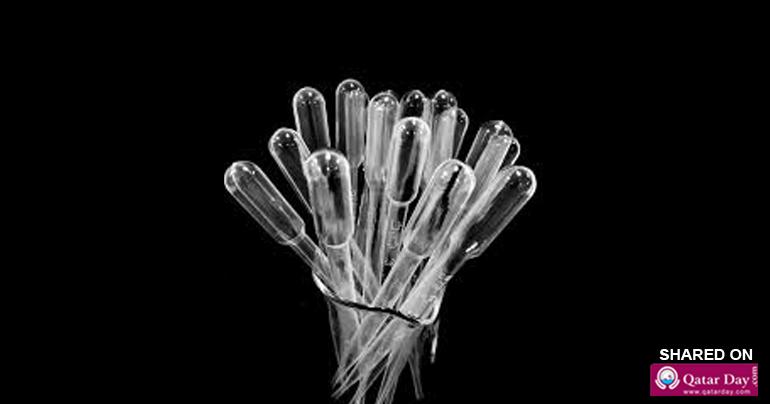
Accuracy is perhaps one of the most important things in science. Even the lab technicians cannot deny the fact that they make errors, because they are only human, and humans do make mistakes. These mistakes include not only the human errors, but errors due to broken parts of a machinery, various environmental conditions, or even tiredness. It is also extremely important to avoid the pipetting errors and to do so, preventive measures are extremely important.
Listed below is a list of steps that should be taken into consideration by the technicians. Furthermore, they should perform these steps on a regular basis, so that they can prevent all the unwanted pipetting errors.
Cleaning and Checking the Pipette Daily
A pipette that is free from contamination determines accuracy. Therefore, it is extremely important to keep the pipette clean. Technicians should ensure that they clean their pipette as well as the pipette tips before they use it.
It is also mandatory to keep them clean after they have finished using it. Ensure that you also check the pipette visually, so that you can cross-check if it is working in the proper order so that your work is not damaged in any manner.
Servicing the Pipette Every Five to Six Months
Depending on the accuracy of the results, it is suggested that you service your pipette after every five or six months. Servicing means that the pipette will be disassembled completely for recalibration. Furthermore, all the broken parts will be replaced.
Keep in mind that if pipettes are not serviced in your laboratory, you should send them to a trustworthy pipette doctor, who will take care of your instrument. Also, you will get a reliable and perfect service.
Knowing the Proper Pipetting Techniques
If you are someone who is completely new to pipetting, ensure that you know all the techniques that are listed below when you are using a pipette.
Using the Appropriate Pipette
It is extremely important to use the appropriate pipettes for the experiments that are being conducted. If this is not considered, the accuracy of the test may not be there.
Accounting for Environmental Conditions
You have to take into consideration the pressure, temperature consistency, humidity, and much more, before using your pipette. An environment that is inconsistent may affect the results, and there may be errors.
Keep in mind that liquids are highly susceptible to the different kinds of changes taking place in the environment. Consider the temperature of the sample and ensure that you dispense the liquid before you record the results.
Conclusion
Despite all the efforts, it is true that the lab technicians cannot be perfect, and the pipettes are not free of errors. However, if you follow all the practices that are mentioned above, you will be capable of decreasing the errors.









Comments